

What types of samples can be processed with a stomacher blender?
2025-10-04 19:52:03
Introduction to Stomacher Blenders
Stomacher blenders are crucial laboratory tools used to homogenize samples efficiently and effectively. Unlike traditional blenders, these devices use a paddle-based mechanism to ensure that samples are processed without contamination. The stomacher blender's unique ability to process different types of samples has made it an indispensable tool in various sectors, from food safety to pharmaceutical research. This article delves into the wide array of samples that can be processed using stomacher blenders, focusing on their applications, benefits, and specific parameters for optimal use.
Pioneering Food Microbiology Applications
Applications in Food Safety
Stomacher blenders are widely used in food microbiology for safety testing. By homogenizing food samples, they ensure thorough extraction of microorganisms, which is vital for detecting pathogens like Salmonella, E. coli, and Listeria. The paddles' speed and pressure can be adjusted to accommodate delicate food matrices, helping maintain the integrity of soft samples like fruits, vegetables, and dairy products.
Sample Preparation and Testing
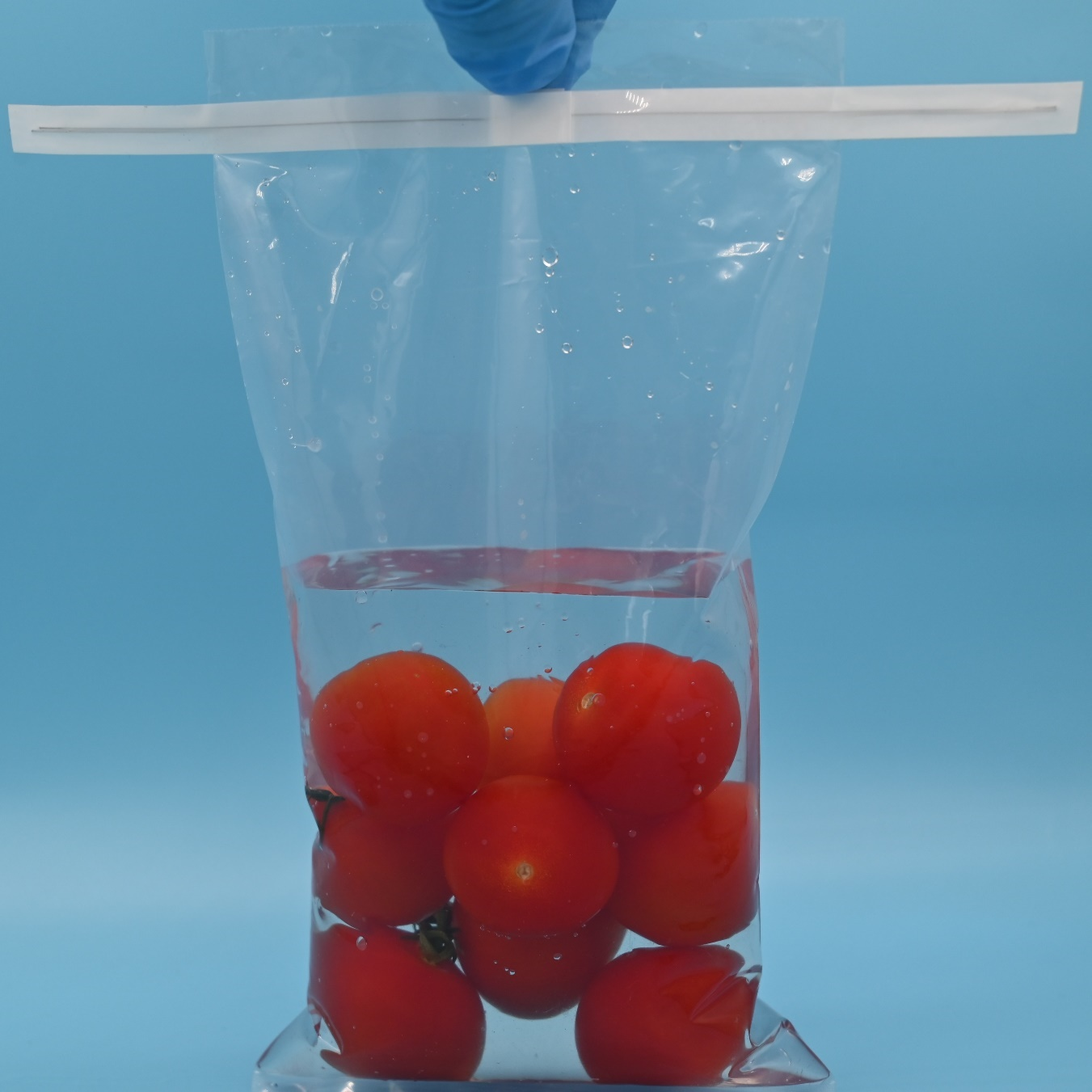
The process involves placing the sample into a sterile bag, which is then kneaded by paddles to create a uniform homogenate. This method offers high reproducibility and can handle sample volumes ranging from a few milliliters to several liters, making it suitable for both small-scale tests and large-scale production monitoring.
Clinical and Medical Research Advantages
Processing Biological Samples
In medical research, stomacher blenders aid in the preparation of biological samples, such as tissues and blood. The blenders' ability to maintain sterile conditions is paramount, particularly when processing samples for diagnostic tests or drug development. The precision offered by stomacher blenders ensures that samples are processed uniformly, which is crucial for consistent and reliable test results.
Applications in Pathogen Research
Stomacher blenders also play a role in pathogen research, where accuracy is critical. The homogenization process enables researchers to isolate bacteria, viruses, and other microorganisms from complex biological matrices, facilitating the study of infectious agents' behavior and the development of novel treatments.
Pharmaceutical Development and Stomachers
Role in Drug Formulation
In pharmaceutical manufacturing, stomacher blenders are used to develop formulations by ensuring thorough mixing of active ingredients and excipients. The blender's adjustable speed and pressure settings allow researchers to optimize blending conditions for different compound consistencies, from powders to semi-solids.
Ensuring Sample Consistency
The uniformity provided by a stomacher blender is crucial for achieving consistent drug delivery systems. This uniformity ensures that each dose of a pharmaceutical product contains the exact required amount of active ingredient, thereby maintaining efficacy and safety standards set by regulatory authorities.
Environmental Analysis and Sample Processing
Testing Soil and Water
Stomacher blenders are integral in environmental testing laboratories, where they process soil and water samples for analysis. The blending process effectively breaks down solid particles and suspends them in liquid for testing contaminants and pollutants like heavy metals and pesticides.
Sample Homogenization Parameters
Typically, parameters such as blending time, speed, and bag type are critical to achieving optimal homogenization. Adjustments can be made to handle variable sample sizes and complexities, providing reliable results for environmental compliance monitoring.
Toxicology Testing and Homogenization Needs
Handling Hazardous Samples
In toxicology labs, stomacher blenders cater to the safe processing of hazardous samples, including potential biohazards and chemicals. Their enclosed system reduces exposure risks, ensuring that laboratory personnel remain safe during sample preparation.
Customization and Flexibility
The ability to customize blending speeds and pressures is advantageous for toxicology testing, as it allows laboratories to tailor the homogenization process to different types of toxicological samples, thus improving test precision and sensitivity.
Types of Samples Suitable for Stomachers
Versatility Across Sample Types
Stomacher blenders demonstrate remarkable versatility, processing a wide variety of samples including soft tissues, fibrous plant matter, and semi-solid foods. Such versatility is made possible by the interchangeable settings that accommodate diverse viscosities and textures.
Quantitative Parameters
The blenders can operate at paddle speeds ranging from 100 to 300 rpm and process times from 30 seconds to several minutes, depending on sample requirements. This allows for precise homogenization conditions tailored to different sample types, optimizing the extraction and testing process.
Maintaining Sample Integrity and Safety
Preventing Cross-Contamination
One of the key benefits of stomacher blenders is their ability to prevent cross-contamination. The use of single-use, sterile stomacher bags ensures samples do not come into contact with the blending mechanism, preserving sample integrity and accuracy in test results.
Sterile and Secure Processing
Stomacher blenders provide a contamination-free environment by using durable, sealable bags that withstand the mechanical forces applied during blending. This setup is crucial in maintaining the sterility required for precise and reliable scientific testing.
Conclusion and Future Applications
Stomacher blenders have proven to be invaluable in processing a variety of sample types across numerous industries. From food safety to environmental testing, their ability to homogenize samples effectively while preventing cross-contamination and preserving sample integrity sets them apart as essential laboratory tools. As technology advances, these blenders will continue to play a pivotal role in ensuring rigorous scientific analysis and testing.
Kedun Provide Solutions
At Kedun, we specialize in providing high-quality stomacher blenders designed to meet the diverse needs of laboratories worldwide. As a reputable manufacturer, wholesaler, and factory, our products are crafted to deliver precision, efficiency, and safety in sample processing. We offer a range of customizable solutions tailored to specific laboratory requirements, ensuring optimal performance and reliability. Trust Kedun for state-of-the-art laboratory equipment that meets your exacting standards.
User hot search: lab blender stomacher