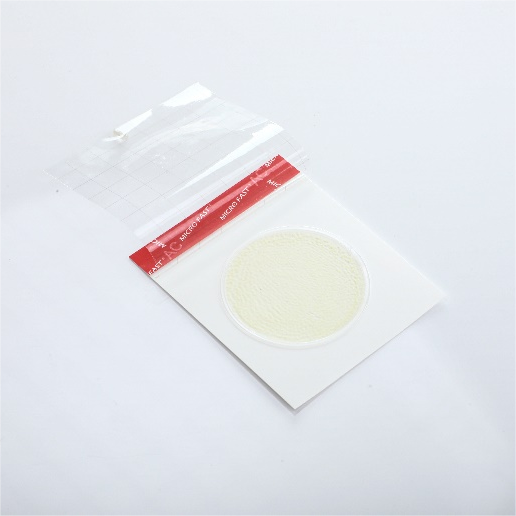


How is a water bacteriological test conducted?
2025-08-01 11:40:34
Introduction to Bacteriological Water Testing
Water is a crucial resource for human survival, but it can also be a carrier of harmful microorganisms. Conducting a bacteriological water test is essential to ensure water safety. This testing plays a vital role in identifying pathogenic bacteria that pose significant health risks. Understanding these procedures is fundamental for both large and small-scale water suppliers, including those who handle wholesale water distribution.
Sample Collection for Bacteriological Analysis
Methods and Equipment
The first step in bacteriological testing involves the accurate collection of water samples. Ensuring that these samples are representative of the water source is crucial. Collecting equipment such as sterilized containers and transport coolers is necessary to prevent contamination. Factories and suppliers use these tools to maintain the integrity of water samples from source to lab.
Strategic Sampling Points
Samples must be collected from various points within a water distribution network, including treatment plants and end-user taps. This method allows for a comprehensive analysis, particularly for factory-based suppliers who distribute water on a large scale. Sampling at different stages helps to pinpoint contamination sources effectively.
Transport and Laboratory Procedures
Sample Handling
Transporting water samples requires strict adherence to guidelines to prevent contamination. Samples are kept in sterilized containers and transported under controlled temperatures, ensuring stability during transit. Proper handling is essential for suppliers aiming to maintain the quality of their product.
Laboratory Techniques
Once the samples reach the lab, they undergo various analytical procedures. These include culture techniques and biochemical tests that accurately identify bacterial presence. The accuracy of these techniques is critical for both wholesale and factory water suppliers.
Detection of Pathogenic Bacteria
Key Pathogens and Indicators
Laboratories focus on detecting specific bacteria like Escherichia coli, Salmonella, and Vibrio cholerae, which are common indicators of fecal contamination. The presence of these bacteria suggests contamination and potential health risks, highlighting the importance for suppliers and factories to monitor water quality continuously.
Analytical Methods
Advanced molecular techniques and culture-based methods are employed to detect and quantify these pathogens. Employing such methods allows suppliers to ensure compliance with safety standards and regulations.
Interpretation of Laboratory Results
Guidelines and Standards
Interpreting test results requires a comparison against established water quality standards. These standards are set by regulatory bodies and dictate permissible levels of microbial presence in drinking water, which is particularly important for suppliers at the wholesale level.
Actions on Findings
- If bacterial counts exceed safe levels, immediate corrective actions are necessary.
- Authorities and suppliers must collaborate to address and remediate contamination sources.
Techniques in Bacteriological Testing
Most Probable Number (MPN) Method
The MPN method is a statistical analysis used to estimate the number of viable bacteria in a water sample. This technique is valuable for suppliers needing to evaluate large water volumes quickly.
Membrane Filtration Technique
This technique involves passing a water sample through a membrane that traps bacteria. The membrane is then cultured to determine bacterial count. This precise method is commonly employed by factories and suppliers for regulatory compliance.
Indicator Organisms in Water Testing
Role of Coliforms
Coliform bacteria are used as indicator organisms to signify potential contamination. While not necessarily harmful themselves, their presence suggests possible pathogenic bacteria in water.
Fecal Coliforms and E. coli
Fecal coliforms, particularly E. coli, provide a direct indication of fecal contamination. Their detection is crucial for suppliers, especially in wholesale operations, to prevent public health issues.
Regulations and Standards
Global and Local Standards
Bacteriological water testing is governed by stringent standards globally. Suppliers must adhere to these to ensure water safety and meet legal requirements. Factories producing high volumes of water must regularly verify compliance.
Impact on Suppliers
Compliance with these standards not only ensures consumer safety but also enhances supplier credibility in the market.
Technological Advancements in Water Testing
Rapid Detection Technologies
New technologies offer rapid testing solutions, providing quick results without compromising accuracy. Suppliers benefit from these advancements by ensuring the swift distribution of safe water.
Digital Monitoring Systems
Digital systems provide real-time monitoring and data analysis, allowing suppliers to identify and rectify issues promptly.
Case Studies and Real-World Implications
Recent Incidents
Past incidents of waterborne disease outbreaks highlight the importance of regular bacteriological testing. Suppliers and factories learn from these events to improve their testing methodologies.
Lessons Learned
Understanding and adapting to these real-world scenarios help suppliers to implement better water safety measures, ultimately protecting public health.
Kedun Provide Solutions
Kedun offers comprehensive solutions for bacteriological water testing. From advanced sampling equipment to state-of-the-art laboratory techniques, Kedun supports wholesale and factory water suppliers in maintaining stringent quality standards. By integrating modern technologies and regulatory compliance into their operations, Kedun ensures that water remains a safe and reliable resource for all users.
User hot search: water bacteriological test